


Homer Laughlin Eggshell Georgian China Pattern
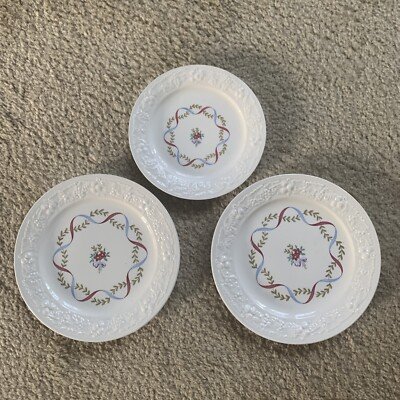
Our Eggshell Georgian pattern represents a refined chapter in American dinnerware history. The embossed scrollwork flows across each piece in gentle relief, while the scalloped edges catch light and shadow throughout your table setting. We developed the Eggshell body formula specifically for this pattern line, creating a translucent china weight that balances elegance with everyday durability.
This pattern debuted in the mid-20th century and became one of our most requested designs for bridal registries and replacement services. The plain ivory glaze allows the embossed detail to stand as the primary design element, making Georgian pieces compatible with nearly any table linens or serving accessories you already own.
Pattern details & glaze finish
Eggshell body construction & translucency
The Eggshell body we developed for Georgian and similar patterns represents a distinct formula in our production history. We blend kaolin, ball clay, and feldspar in specific ratios to achieve translucency without sacrificing strength. When you hold a dinner plate to natural light, you’ll see a gentle glow through the china body — a hallmark of true eggshell weight.
Our kilns fire these pieces at cone 6, reaching temperatures that fully vitrify the clay body while preserving the delicate profile. The result is dinnerware light enough for comfortable handling yet durable enough for frequent washing and stacking. Each piece rings with a clear tone when gently tapped, confirming proper vitrification throughout the body.
Embossed pattern design & scalloped edges
The Georgian scrollwork appears as raised embossing rather than surface decoration. We press the pattern into each piece during the jiggering process, before the first bisque firing. This technique ensures the design remains permanent and won’t fade or wear away with repeated use and washing.
Scalloped rim profile
The scalloped edge follows a shell motif that alternates between peaks and gentle valleys around the entire rim. We calibrated the scallop depth to provide visual interest without creating thin points prone to chipping. Plates nest securely despite the shaped edge, and the profile adds texture to your table presentation without interfering with flatware placement or serving functions.
Glaze finish & care instructions
We apply a high-gloss ivory glaze over the embossed body in a single even coat. The glaze pools slightly in the recessed areas of the scrollwork, creating subtle shading that emphasizes the pattern relief. This plain glaze formulation resists common staining from coffee, tea, and tomato-based foods when pieces are washed promptly after meals.
Hand washing preserves the glaze brilliance longest, though the fired glaze tolerates automatic dishwasher cycles. We recommend moderate detergent and avoiding high-heat drying cycles that can dull any china glaze over time. The glazed foot on cups, bowls, and hollow serving pieces prevents direct china-to-table contact, reducing abrasion marks on both your dinnerware and dining surfaces.
More embossed patterns from our eggshell collection




Rated 4.8 by verified buyers
Common questions about Eggshell Georgian dinnerware
We produced Eggshell Georgian across multiple decades but eventually discontinued the pattern as part of our natural production cycle. Many pieces remain available through replacement services, estate sales, and specialty dinnerware retailers who stock vintage and discontinued Homer Laughlin patterns. If you’re seeking specific serving pieces or building a complete set, we recommend checking with pattern-matching services that specialize in discontinued American china.
The plain ivory glaze on Eggshell Georgian contains no metallic elements and is technically microwave-safe. However, we recommend hand warming or conventional oven warming for best results. Rapid microwave heating can sometimes cause thermal stress in translucent china bodies, and Georgian’s delicate weight makes it particularly sensitive to sudden temperature changes. For reheating individual portions, brief microwave cycles on medium power work without issue.
Check the backstamp on the underside of plates or the base of hollow ware pieces. Earlier Georgian production features a simple ink stamp reading “Homer Laughlin Eggshell Georgian USA” without date codes. Later pieces include impressed or stamped date codes following our standard Homer Laughlin dating system, typically a letter-number combination indicating month and year. Production year affects glaze tone slightly but doesn’t prevent pieces from different periods mixing successfully in table settings.
Both patterns use our translucent eggshell china body, but the embossed designs differ significantly. Georgian features flowing scrollwork and a scalloped shell edge, while Nautilus showcases a swirled nautilus shell motif with fluted rim details. Georgian tends toward traditional formal styling, whereas Nautilus offers a more organic coastal aesthetic. The body weight and glaze finish remain consistent across our entire eggshell pattern line.
We engineered the Georgian scallop profile specifically to avoid thin fragile points. The peaks and valleys maintain adequate thickness throughout, and the high-fire vitrification process ensures consistent strength across the entire rim. Chips typically occur from direct impact or stacking mishaps rather than inherent edge weakness. Proper nesting when storing and avoiding metal utensil contact with the rim keeps Georgian edges intact through years of regular use.
Covered casserole and vegetable bowl lids occasionally appear through replacement services and estate sales, though they’re less common than plates and cups. The lid fitment was standardized across production runs, so a replacement lid should seat properly on your base even if from a different year. When sourcing lids separately, verify the base diameter matches your piece — we produced Georgian covered dishes in two standard sizes, and the lids aren’t interchangeable between sizes.
The raised scrollwork actually cleans easily because the glaze covers every surface continuously without gaps or crevices. Food rarely lodges in the embossed areas, and a standard sponge or dishcloth reaches all the relief detail without special scrubbing. The high-gloss glaze sheds most food residue readily. For stubborn stains in the recessed scrollwork, a soft brush works well without abrading the glaze surface.