


Homer Laughlin Harlequin Dinnerware Collection
Our Harlequin line brings the bold, cheerful spirit of 1930s art deco design to your table. First introduced in 1938 as a companion to our legendary Fiesta line, Harlequin dinnerware was created for the five-and-dime market — accessible color and style for everyday American homes. We crafted Harlequin with the same lead-free glazes and sturdy vitrified china that made our name synonymous with durability.
Each piece features our signature concentric rings and streamlined shapes that stack beautifully and resist chipping through thousands of meals. The collection’s vibrant palette — from mauve blue and spruce green to maroon and yellow — was designed to mix and match freely, letting you build a table setting as unique as your home. Harlequin remains one of our most beloved patterns, sought after by collectors and everyday cooks alike for its timeless mid-century charm and genuinely heirloom-quality construction.
Harlequin design highlights
Materials & Manufacturing Heritage
We produce every piece of Homer Laughlin Harlequin dinnerware in our Newell, West Virginia pottery — the same facility that’s been turning American clay into kitchen essentials since 1871. Our Harlequin bodies are made from a proprietary vitrified china formula that we fire to 2400 degrees Fahrenheit. At that temperature, the clay particles fuse into a nearly glass-like density, creating a non-porous surface that resists staining, crazing, and bacterial growth.
The glazes we apply are lead-free and cadmium-free formulations that meet FDA standards for food contact safety. Each piece passes through our tunnel kilns twice — once for the bisque firing, then again after glazing — ensuring the color is permanently bonded to the body. This double-firing process is slower and more expensive than single-fire methods, but it’s why a Harlequin plate you buy today will look identical to one your grandmother bought in 1940.
Color Palette & Mixing Philosophy
The original 1938 Homer Laughlin Harlequin palette included eight colors: mauve blue, spruce green, chartreuse, yellow, maroon, rose, red, and turquoise. We’ve since expanded the line to include medium green, gray, light green, and dark green, giving you 12 vintage-inspired shades to choose from. Unlike formal china patterns that demand matched sets, Harlequin was designed from the start for creative mixing.
Building Your Harlequin Table
We encourage you to blend colors freely. A typical four-place setting might pair yellow dinner plates with spruce green salad plates and maroon cups — the concentric rings create visual unity even when hues differ. Many collectors build rainbow tables with every color represented, while others stick to a two- or three-color scheme for subtle variety. There’s no wrong way to combine Harlequin pieces, and that flexibility is exactly what made the line revolutionary in the Depression era.
Shape Guide & Available Pieces
Our Harlequin line includes over 40 distinct shapes, from essential dinnerware to specialty serving pieces. The core place setting consists of a 10-inch dinner plate, 7-inch salad plate, 6-inch bread plate, and teacup with saucer. All plates feature our signature rings radiating from the center, with a slightly coupe shape and gently rolled edge.
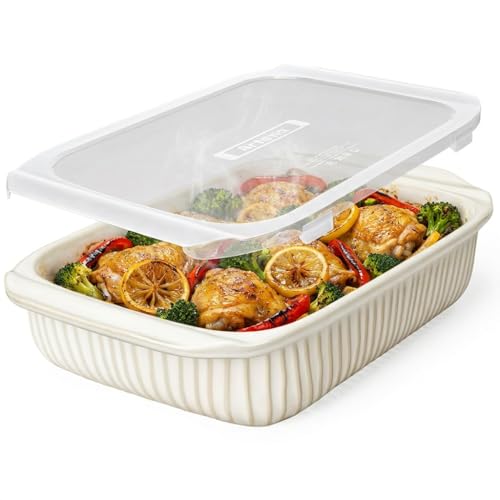
Beyond basic dinnerware, we produce Harlequin platters in 11-inch and 13-inch ovals, nappies (individual cereal bowls), 36s bowls (medium mixing or serving size named for their 1930s price code), cream soups, casseroles with lids, and the distinctive ball jug — a spherical pitcher that’s become an icon of mid-century modern design. Each shape maintains the same clean, horizontal lines that define the Harlequin aesthetic. The covered casserole and ball jug are particularly prized by collectors for their sculptural forms.
More Iconic Homer Laughlin Collections



Rated 4.8 by verified buyers
Questions About Harlequin Dinnerware
Yes. We manufacture all Harlequin dinnerware at our Newell, West Virginia pottery, the same facility we’ve operated since 1871. Every piece is shaped, glazed, and fired in the United States using American clay and labor.
While many dinnerware brands have moved production overseas, we’ve remained committed to domestic manufacturing. Our workers bring generations of pottery expertise to every piece, and our quality control happens on-site throughout the entire process.
Absolutely. Modern Harlequin production is dishwasher safe, microwave safe, and oven safe up to 350 degrees Fahrenheit. The vitrified china body and lead-free glazes are formulated to withstand repeated thermal cycling without crazing or fading.
If you own vintage Harlequin from the 1930s-1960s, inspect pieces for existing crazing or glaze wear before machine washing. Undamaged vintage pieces are generally dishwasher safe, but hand washing will extend their life. All new production is engineered for modern appliance use.
Both lines feature bold colors and art deco design, but Harlequin has concentric rings while Fiesta uses full circular bands. Harlequin was introduced in 1938 as a more affordable companion to Fiesta, originally sold through Woolworth’s five-and-dime stores.
Harlequin shapes are slightly more streamlined with angular handles, while Fiesta features rounder, more sculptural forms. The glaze palettes overlap but each line has signature colors — Harlequin’s chartreuse and spruce green versus Fiesta’s cobalt and scarlet. Both are made from the same vitrified china formula and can be mixed on the table for eclectic styling.
Genuine Harlequin carries our backstamp on the underside, which includes the Homer Laughlin name, the word Harlequin, and often a date code or production mark. Vintage pieces from 1938-1964 may have different stamp styles, but all authentic items are marked.
The concentric ring pattern should be sharp and evenly spaced, and the glaze should have a smooth, glossy finish with good depth of color. Reproductions and knockoffs often have blurry rings, thin or matte glazes, and either no backstamp or a poorly printed imitation. When in doubt, compare the weight and ring tone — real Harlequin has a clear, bell-like sound when tapped.
Medium green and gray are the rarest vintage Harlequin colors, produced only briefly in the 1950s. Light green and dark green also had short production runs. Among the original 1938 palette, mauve blue and maroon are less common than yellow, red, and turquoise.
We periodically reissue retired colors in limited runs, so check our current catalog for availability. If you’re building a collection around a rare vintage color, consider mixing it with similar modern glazes — spruce green pairs beautifully with vintage medium green, for example.
Yes, Harlequin is oven safe up to 350 degrees Fahrenheit. You can use platters, casseroles, and plates for baking and reheating. Avoid direct flame and sudden temperature changes — don’t move a piece from refrigerator to hot oven or vice versa.
The covered casserole dish is particularly versatile for oven-to-table service. Always use pot holders, as vitrified china retains heat longer than some ceramics. Do not use Harlequin under a broiler or on a stovetop burner.
We recommend beginning with a four-piece place setting in your favorite color — dinner plate, salad plate, cup, and saucer. Once you have the basics, add accent pieces in complementary colors and expand to serving items like the ball jug or oval platter.
Many collectors choose a primary color for dinner plates and mix in two or three accent colors for smaller pieces. This creates visual interest without overwhelming the table. Our gift sets offer curated color combinations if you want guidance, or build your own collection piece by piece as you discover which hues speak to you.