
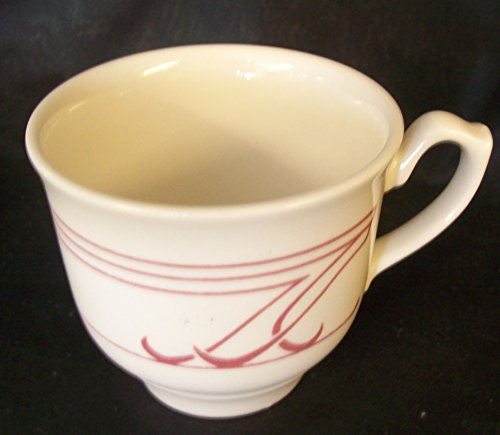
Homer Laughlin Seville China | Classic Ivory Dinnerware Collection
Our Seville pattern has graced American tables since 1931, and it remains one of our most beloved ivory dinnerware collections. The warm ivory body features a subtle embossed border that catches light beautifully without competing with your table linens or centerpieces. We craft every Seville piece in our Newell, West Virginia factory using lead-free American clay and our proprietary high-fire glazing process.
Seville was originally designed for hotel and restaurant service, which means each plate, bowl, and platter is engineered to withstand daily use. The ivory glaze resists chipping and staining better than many contemporary patterns, and the slightly heavier weight gives each piece a reassuring heft in your hand. Whether you’re setting a formal dinner or serving weeknight pasta, Seville adapts to any occasion with quiet grace.
What makes Seville special
Why Seville Has Lasted Nearly a Century
We introduced the Homer Laughlin Seville pattern in 1931 during the Depression, when families needed dinnerware that could survive hard use without breaking the household budget. The design philosophy was simple: create a pattern elegant enough for Sunday dinner but tough enough for Monday breakfast. That dual identity is why Seville found homes in both white-tablecloth restaurants and farmhouse kitchens across the Midwest.
The embossed border was a practical choice as much as an aesthetic one. When plates stack in a commercial dish pit or a crowded cabinet, raised details protect the glaze surface from metal contact and reduce the friction that causes scratching. The ivory color hides the minor scuffs that inevitably appear on white china after years of service. Many of our customers own Seville pieces that belonged to their grandmothers, still in rotation after 50 or 60 years of weekly use.
Materials and Manufacturing Process
Every Seville piece begins with American clay mined from deposits in Tennessee and Kentucky. We blend those clays with feldspar and silica to create a vitrified china body—essentially a ceramic-glass hybrid that’s denser and stronger than standard earthenware. The greenware is shaped on hydraulic presses, then dried slowly to prevent warping.
The High-Fire Difference
We fire Seville twice: a bisque firing at 1850°F to harden the clay body, then a glaze firing at 2100°F that fuses the ivory glaze to the surface. That second firing temperature is what separates restaurant china from decorative pieces. The extreme heat creates a glaze-to-body bond that won’t craze or peel, even when you move a hot plate straight from the oven to a cold counter. The same vitrification process that makes our classic china patterns chip-resistant also makes them non-porous, so they won’t absorb food odors or stains the way some earthenware can.
Sizing and Place-Setting Options
Seville is available in four core shapes: 10-inch dinner plates, 7-inch salad or dessert plates, 9-inch rimmed bowls, and 12-inch oval platters. The dinner plate measures 10 inches across the face with a 7.5-inch well—slightly larger than contemporary casual dinnerware but perfectly proportioned for the way people actually serve food. The 9-inch bowls hold 16 ounces, deep enough for soup or pasta but shallow enough that the embossed rim remains visible when the bowl is full.
We intentionally kept the Seville line focused on essential shapes rather than expanding into specialty serving pieces. You won’t find Seville gravy boats or covered butter dishes, but that restraint is part of the pattern’s practicality. Most families build a Seville collection in increments: a four-piece place setting to start, then additional dinner plates as needed, then serving platters when the original set gets promoted to everyday use.
Complete Your Seville Table Setting


Rated 4.8 by verified buyers
Common Questions About Seville China
Yes, we manufacture all Seville china at our Newell, West Virginia factory using American clay and labor. Every piece carries a backstamp with a date code confirming its production date and origin. We’ve operated the same facility since 1871, and Seville has been in continuous production there since 1931.
Absolutely. The Seville glaze formula and embossed border design have remained consistent since the 1960s, so pieces from different decades stack and coordinate seamlessly. The ivory tone may vary slightly between very old pieces and current production due to natural clay variation, but the difference is minimal when pieces are in use on the table.
Yes, Seville is fully microwave-safe and dishwasher-safe, including commercial high-temperature dishwashers. The vitrified china body and high-fire glaze won’t crack from microwave heat or degrade from detergent exposure. We test every production run for thermal shock resistance to ensure consistent performance.
Seville features a subtle embossed border and a slightly warmer ivory tone compared to patterns like Gothic or Empress. The embossing is less pronounced than Gothic’s Art Deco detailing, making Seville the most understated of our ivory offerings. All three patterns share the same vitrified china body and durability, so the choice comes down to border preference.
Check the backstamp on the underside. Pieces made after 1960 carry a date code consisting of a letter (month) and one or two numbers (year). Earlier pieces may have different backstamp formats or simply read “Homer Laughlin Seville.” The embossed border style has remained consistent, so even without a clear date code, all Seville pieces from the past 60 years are compatible.
No. The embossing is shallow enough that food doesn’t get trapped in the grooves, and the high-fire glaze is completely non-porous. A normal dishwasher cycle cleans the embossed rim as thoroughly as a flat surface. The raised border actually protects the glaze from knife contact during cutting, which keeps the plate surface cleaner over time.
Yes, Seville is oven-safe up to 450°F. We regularly use the bowls for French onion soup and individual casseroles, and the dinner plates work well for warming rolls or keeping food hot during buffet service. Avoid extreme temperature shocks like moving a frozen piece directly into a hot oven, but normal oven use poses no risk to the china.